Café and restaurant website design that answers the doorstep question.
Almost every café visit starts on the pavement outside, with someone checking whether you are open. Almost every restaurant booking starts on a sofa, days earlier. One website has to do both jobs — and most hospitality sites manage neither, because the hours live in a footer image and the menu is a PDF that pinches to read. We build them the other way up.
One site, two jobs.
On a phone · two streets away
Answer the doorstep question
Open now, where exactly, what’s on — the three questions someone asks while deciding whether to walk to you. They belong at the top of the page as real text: hours a thumb can find, an address that opens straight into a maps app, a menu that reflows instead of pinching. If the answers are buried, that person walks to the place that answered.
On a desktop · Tuesday evening
Earn the Saturday visit
The Saturday table is decided days before it is sat at, by somebody unhurried, comparing rooms. Here the site is selling atmosphere: photography with space around it, a menu worth reading slowly, and a reserve button that never needs hunting for. Get the first job right, and this is where the site starts paying for itself.
· Built in, every time
Menus as real text, never PDFs
A PDF menu is a photograph of information. It pinches to read on a phone, a screen reader cannot speak it, and search engines cannot see inside it. Set as real text, the menu reflows, reads aloud and gets indexed — so a search for a dish or a dietary requirement can land on your page. Vesper, our fine-dining concept, is built exactly this way, with reserve kept within thumb reach on every screen.
Hours that feed your Google listing
Opening hours as structured text — not an image, not a graphic — can feed a Google Business Profile, so “open now” is actually true when somebody nearby searches. Willow & Oak, our café concept, answers the doorstep question in one glance and earns the Saturday visit further down the page — and its cake orders and private-hire requests land in an owner’s inbox you can try yourself.
Weekly changes that stay current
Specials, guest kegs, a new brunch menu — hospitality content changes weekly, and a tap list three weeks stale is worse than none, because it promises a beer that ran out a fortnight ago. The fix is structural: make the changeable content the easiest thing on the site to edit. Halcyon, our brewery and taproom concept, puts the board at the top of the page, updatable in a couple of minutes without touching the layout — which is the only reason it stays accurate.
Three hospitality builds to walk around.
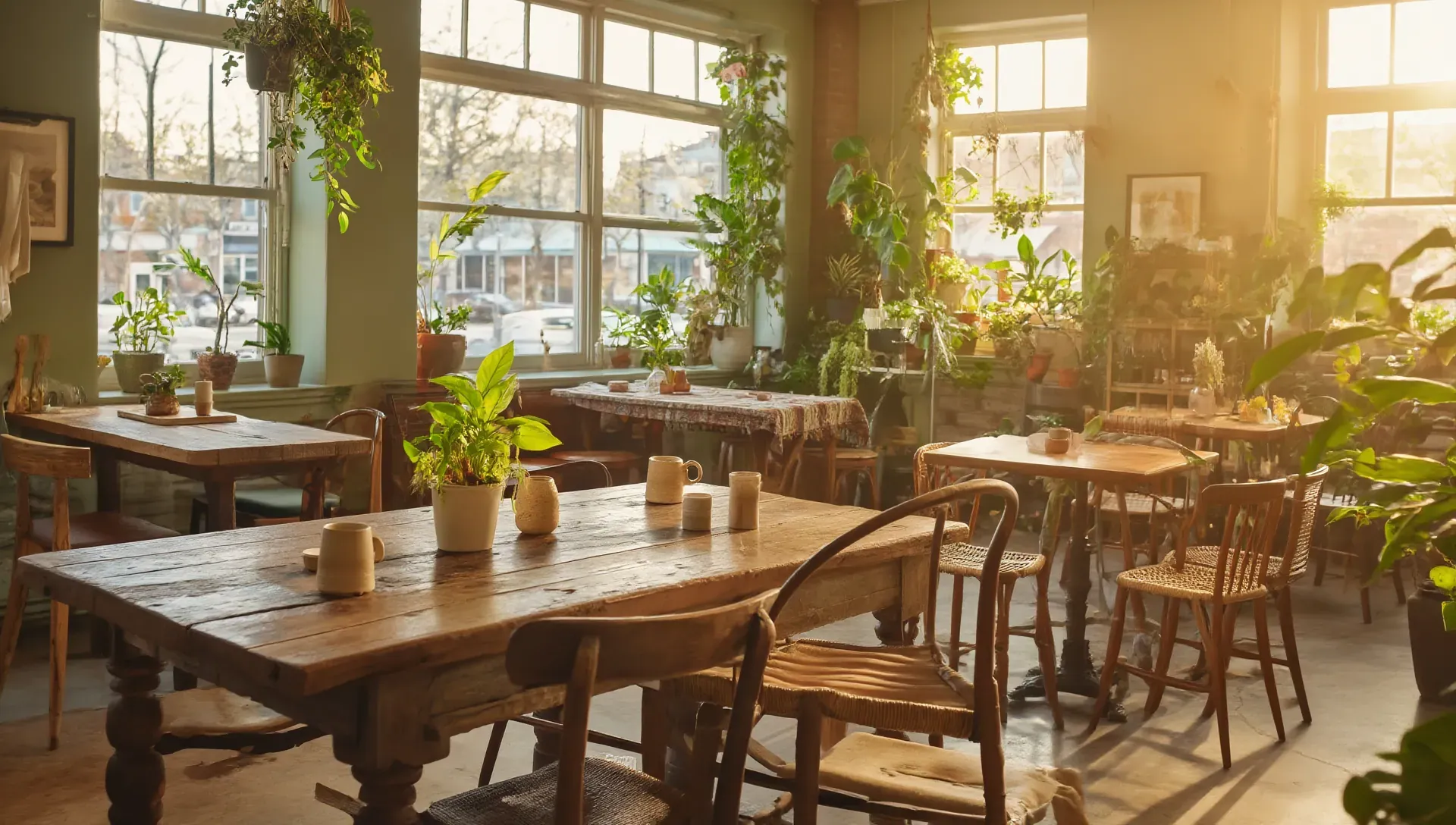
Willow & Oak
Café & coffee house
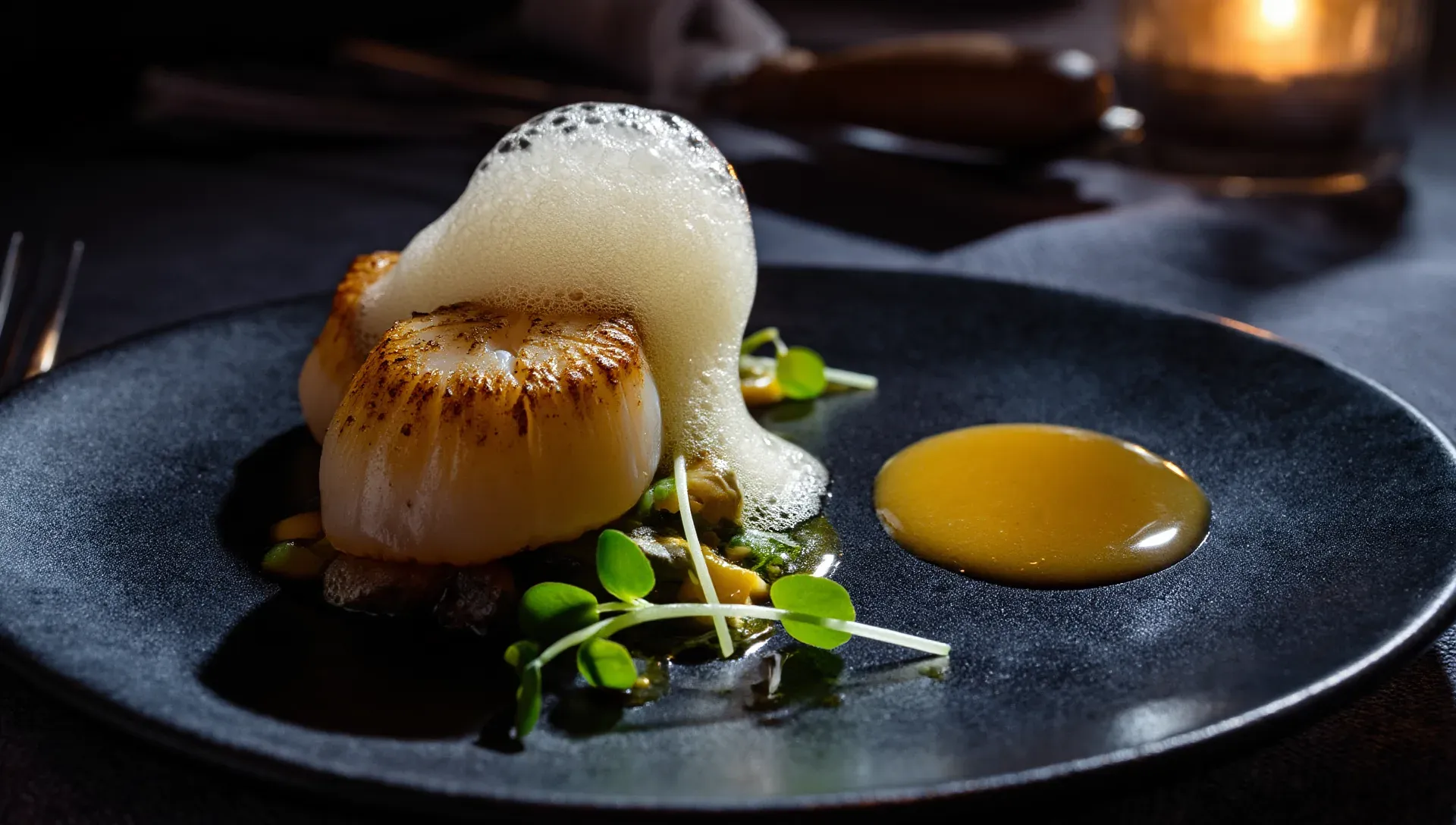
Vesper
Fine-dining restaurant
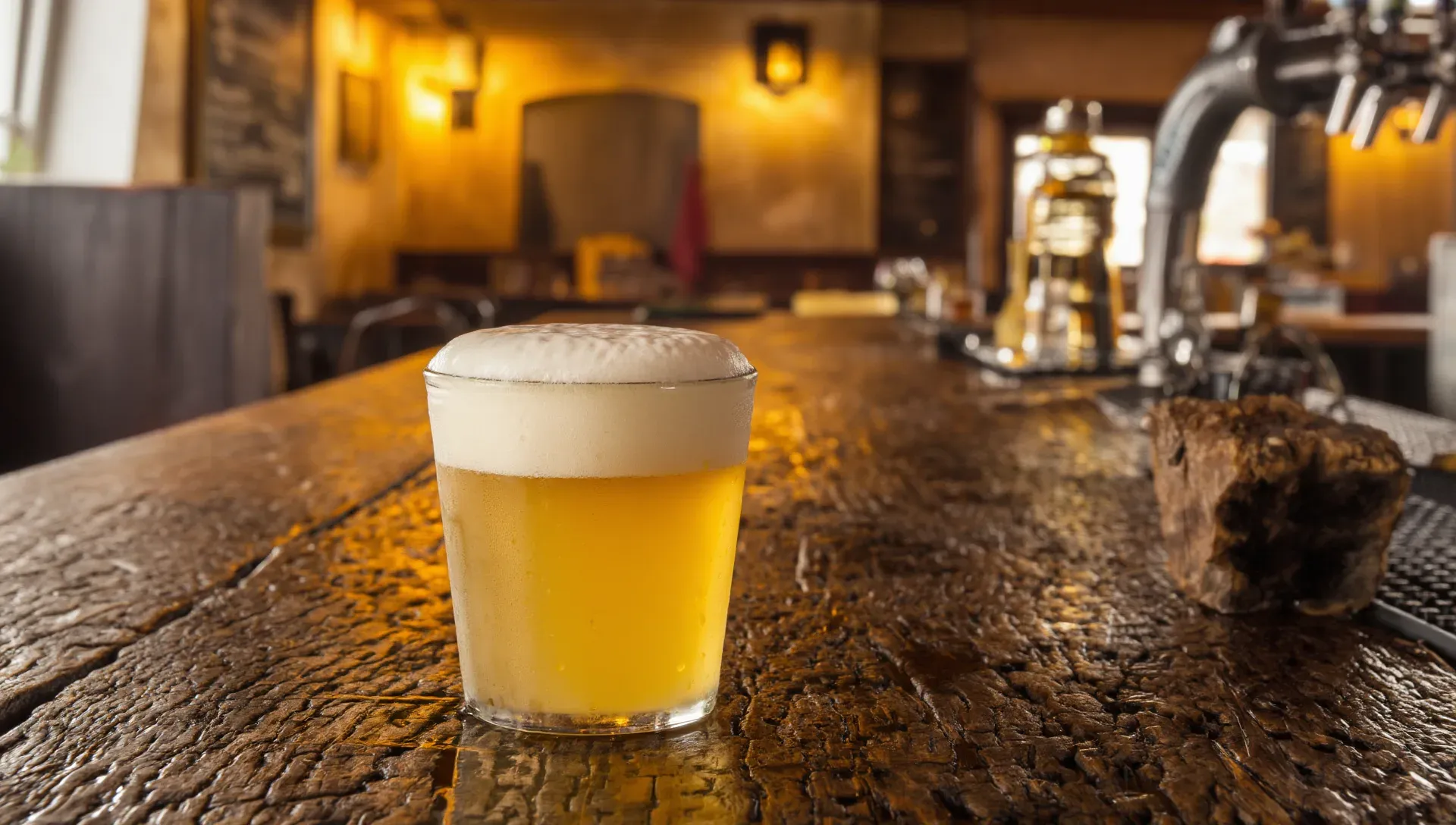
Halcyon
Craft brewery & taproom
Straight answer: these three are our own concept builds, not client sites — we invented each business and built its site properly, to the exact standard a paying café or restaurant would get. Every one is live. Open the case study, then walk around the real thing and judge it.
Asked over the counter
Something we haven’t covered? Just ask us — we reply within one working day.
Can I update the menu myself? +
You can have it either way. On every care plan, changes are our job — email over the new dishes or prices and we make the edit, usually the same day. If you would rather do it yourself, a Premium build can include your own admin for the parts that change weekly — our Willow & Oak concept runs one live you can try — structured the way Halcyon’s tap list is, so an update takes a couple of minutes. What we will never do is solve the problem with an uploaded PDF.
Do you do online ordering? +
It depends what you mean, so here is the honest version. A simple enquiry form is part of every tier, including the £750 Starter. Table bookings and pre-order flows are Premium territory — from £2,500 — and our Caldwell & Sons concept shows the real thing working, booking against a live diary. Full card-payment ordering with a kitchen screen is a job for a dedicated platform, and if that is what your business actually needs we will say so rather than build you a worse one.
What about photos? +
Photography matters more in hospitality than in any other sector, and stock photography is worse than none — people can tell it is not your room. If you have good photos, we design around them. If you do not, bespoke imagery is included from the Standard tier, and where a dish genuinely needs a professional food photographer we will say so plainly rather than pretend a filter can fix it.
How fast can it launch? +
The slowest part is almost never the build — it is the menu and the words. Once those arrive, a Starter site — one sharp page with your menu, hours, story and an enquiry form — is usually live in about a week.
Your menu deserves better than a PDF.
Tell us about the room, the menu and what changes weekly, and we come back within one working day with ideas and a fixed quote — every price is public in the pricing section before you ever talk to us. Starter sites from £750, live in about a week.
Not hospitality? See our websites for trades and fitness & wellness, or the whole studio at web design in Newcastle.